
Smart Home Integration for Fenestration
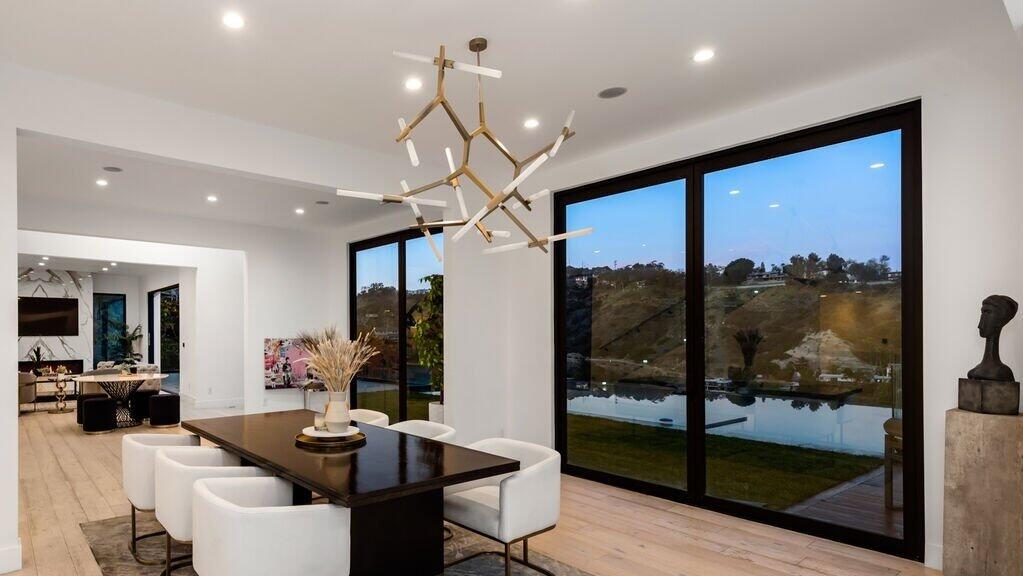
Motorized sliding door system with full home automation integration
The connected home has evolved far beyond smart thermostats and voice-controlled lighting. Today's most sophisticated residences feature fully automated door and window systems that respond to voice commands, integrate with whole-home automation, and adapt intelligently to changing conditions.
Motorization Fundamentals
At the foundation of smart fenestration is motorization. Modern motor systems for doors and windows have evolved dramatically from the noisy, crude mechanisms of earlier generations. Today's premium motors feature brushless DC technology for near-silent operation, soft-start and soft-stop programming for smooth movement, and precise position control allowing doors to stop at any point along their travel.
Motor sizing is critical for reliable, long-lasting performance. Undersized motors strain under heavy loads, leading to premature failure and inconsistent operation. Quality installations calculate loads carefully, considering glass weight, door dimensions, friction factors, and expected usage frequency. The best systems incorporate torque sensing that adjusts power delivery automatically based on resistance encountered.
Control Options
Smart door systems offer multiple control methods to suit different situations and preferences. Wall-mounted keypads provide reliable, always-available control. Wireless remotes work well for quick access from anywhere in the room. Smartphone apps enable control from anywhere with internet connectivity. Voice assistants like Alexa, Google Assistant, and Apple HomeKit allow hands-free operation.
The most sophisticated installations incorporate all these options, with seamless handoffs between control methods. A homeowner might open the patio doors via voice command while cooking, close them from the app while at work when rain is forecast, or use a wall switch when entertaining guests unfamiliar with the technology.
Environmental Sensors
True smart integration goes beyond remote control to include environmental awareness. Rain sensors can automatically close open doors and windows when precipitation is detected. Wind sensors prevent operation when gusts exceed safe thresholds and can close vulnerable openings before storms arrive. Temperature sensors enable automatic opening for natural ventilation when conditions are favorable.
Light sensors add another dimension of intelligence. Motorized shades and blinds can track the sun's position, adjusting throughout the day to optimize natural light while minimizing heat gain. Combined with electrochromic glass, these systems can maintain optimal interior conditions with minimal energy consumption.
Security Integration
Smart doors and windows naturally integrate with home security systems. Contact sensors report open/closed status to security panels. Glass break detectors trigger alerts when impacts are detected. Automated locks can engage when the security system is armed. Cameras integrated into door frames or adjacent walls provide visual verification before granting access.
Advanced systems incorporate geofencing, using smartphone location to detect when residents approach or leave. Doors can automatically unlock as you arrive home and lock when you depart. Combined with presence detection inside the home, systems can adjust between occupied and away modes automatically, closing and locking fenestration as appropriate.
Integration Protocols
The smart home ecosystem includes multiple competing protocols and platforms. Major options include Z-Wave, Zigbee, Wi-Fi, and the emerging Matter standard. Each has strengths and limitations. Z-Wave and Zigbee create mesh networks with excellent reliability but require compatible hubs. Wi-Fi offers direct connectivity but can strain networks with many devices. Matter promises cross-platform compatibility but is still maturing.
When specifying smart fenestration, ensure compatibility with your existing or planned home automation platform. Quality manufacturers support multiple protocols and provide detailed integration documentation. Some offer native integration with popular platforms like Control4, Crestron, Savant, and Lutron, simplifying installation and ensuring reliable operation.
Planning for Smart Integration
Whether building new or retrofitting existing fenestration, proper planning ensures successful smart integration. New construction should include low-voltage wiring to all motorized locations, even if immediate automation isn't planned—retrofitting wiring later is far more costly and disruptive.
Consider future expansion when selecting platforms and protocols. A system that controls two doors today might eventually encompass every opening in the home. Ensure your chosen platform scales appropriately and that component availability won't be an issue for maintenance and expansion over the home's lifetime.
At Elite Doors & Windows, we work closely with integration specialists and smart home installers to ensure our motorized products perform flawlessly within connected home environments. Our technical team can provide guidance on motor selection, protocol compatibility, and installation best practices for any automation scenario.
Elite Design Team
Architectural fenestration experts with over 25 years of industry experience.
Stay Informed
Get the latest articles on architecture and design delivered to your inbox.
Related Articles
Explore Motorization Options
Learn how our systems integrate with your smart home platform of choice.
Contact Us